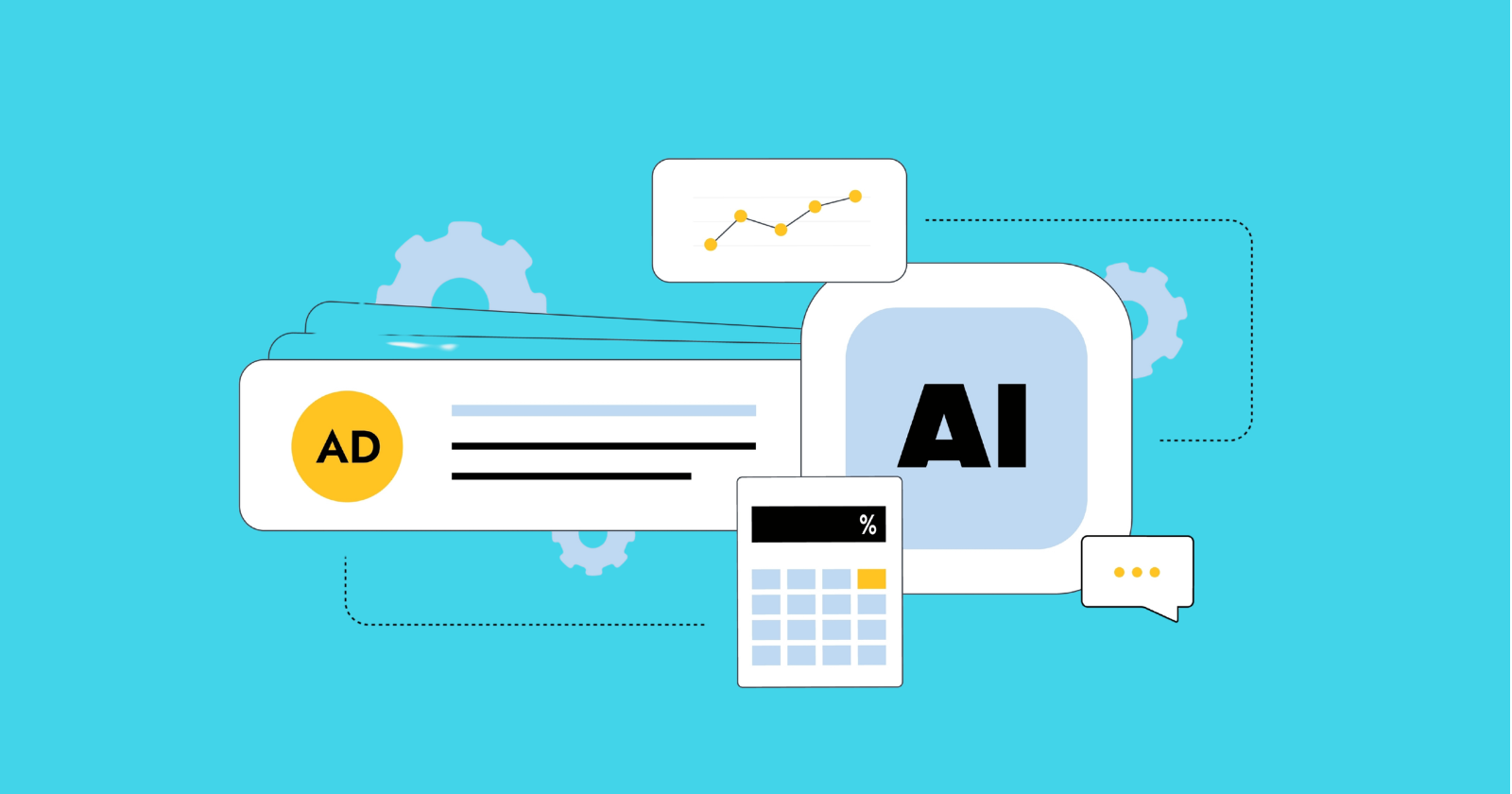
Google Ads is introducing a new disclosure requirement for advertisers using generative AI.
The update adds AI transparency labels to ads in Search, YouTube, and Discover. Additionally, advertisers using third-party AI tools must disclose when AI was used to create or edit an ad.
For advertisers, the change is less about adopting AI and more about documenting when it is used. Teams that rely on third-party AI tools may need to update their review process before campaigns go live.
How the new AI disclosure works
Google is adding a new “How this ad was created” section to the “My Ad Center” section.
Users can open the panel from the three-dot menu or the information icon in ads in Search, YouTube, and Discover. The panel shows whether generative AI was used to create or edit the ad.
What this disclosure looks like depends on which AI tools were used.
Ads created using Google’s generative AI advertising tools receive the disclosure automatically. Advertisers using third-party AI tools will have to make the disclosure themselves through a new control in Google Ads.
Google explained:
…when they create ads elsewhere, we introduce a control so they can easily indicate whether they have used generative AI.
Google has not identified any specific third-party platforms. The requirement would apply to tools outside of Google’s own advertising products.
Depending on local requirements, Google says disclosure may also occur directly in the ad rather than just in My Ad Center. The company has not said which markets these labels will appear in.
What this means for advertisers
Many advertisers are already using generative AI to write text, generate images or edit creative before reaching Google Ads.
The new requirement means teams must also document when these tools were used. This information may not be readily available if creative production and campaign management are carried out by different people or teams.
For some organizations, this may mean updating existing approval processes to document AI usage before campaigns go live. Agencies may also need to confirm whether the client-provided creative used third-party AI tools before publishing ads.
Advertisers running campaigns in multiple countries may also want to monitor performance when AI disclosures appear directly in ads. Google has not determined which markets these labels will appear in, and it is too early to say whether they will influence user behavior.
For most advertisers, this is a relatively small workflow change. It doesn’t restrict the use of third-party AI tools, but adds another disclosure requirement that teams must consider before publishing campaigns.
What is still unclear
Google’s announcement leaves several questions unanswered.
The company states that disclosures apply to ads created or edited using AI, but does not define what counts as “created or edited.” It’s unclear whether minor changes made using third-party AI tools will need to be disclosed, or whether the requirement is intended for more AI-generated creatives.
Google also hasn’t explained how the requirement applies when multiple AI tools are used during the creative process.
Another open question is enforcement. Google hasn’t said whether advertisers who don’t disclose third-party AI use will receive warnings, policy violations or ad denials.
Google also hasn’t said when advertisers are expected to begin using the new disclosure controls or whether there will be a grace period before enforcement begins.
We will update this article as Google provides additional guidance.
Follow us on Facebook | Twitter | YouTube
WPAP (907)
